Thinking about a weekend ranch where you can unplug without spending your whole Friday in the truck? You are not alone. Many Austin and Houston buyers look hard at Bellville and Brenham as reliable, small-town hubs with real country just outside the city grind. Here is a clear, practical way to compare them so you can focus on the land and lifestyle that fit you best.
This guide gives you a side-by-side view of access, what 10-30 acres usually looks like near each town, how to size up price and comps without chasing old numbers, plus the utility and tax details that matter on rural tracts. You will also get a pre-tour checklist to use before you drive out. Let’s dive in.
Plan access the smart way
If your ranch is a weekend spot, your drive matters. Instead of relying on static estimates, compare real routes the way you will actually travel.
- Run live checks with Google Maps, Apple Maps or Waze from your true start point to “Bellville, TX” and “Brenham, TX.” Do peak and off-peak tests on a weekday evening and a Saturday morning.
- Add a trailer scenario if you plan to tow. Many buyers forget that trailer speed and braking reduce average pace on two-lane roads.
- Look at road types. State highways and improved county roads feel different from unpaved roads when it rains. TxDOT’s site can help you understand road classifications and current projects you may encounter along the way. Check the Texas Department of Transportation before you go.
- Save a backup route for weekend tourism traffic. Brenham’s attractions can draw more visitors at certain times of year.
Both towns offer basic services and local medical care. Larger medical centers and commercial airports are in the nearby metros. If easy in-and-out is your top priority, test drive both on the same day and note how you feel after each route.
What 10–30 acres looks like
In this size range you will see four common property types. Your decision often comes down to how much work you want to do and what you plan to use the land for.
- Raw land: pasture or mixed brush with little to no infrastructure. Utilities may be at the road.
- Partially improved: a driveway cut, basic fencing, a pond or tank, and possibly electric on site.
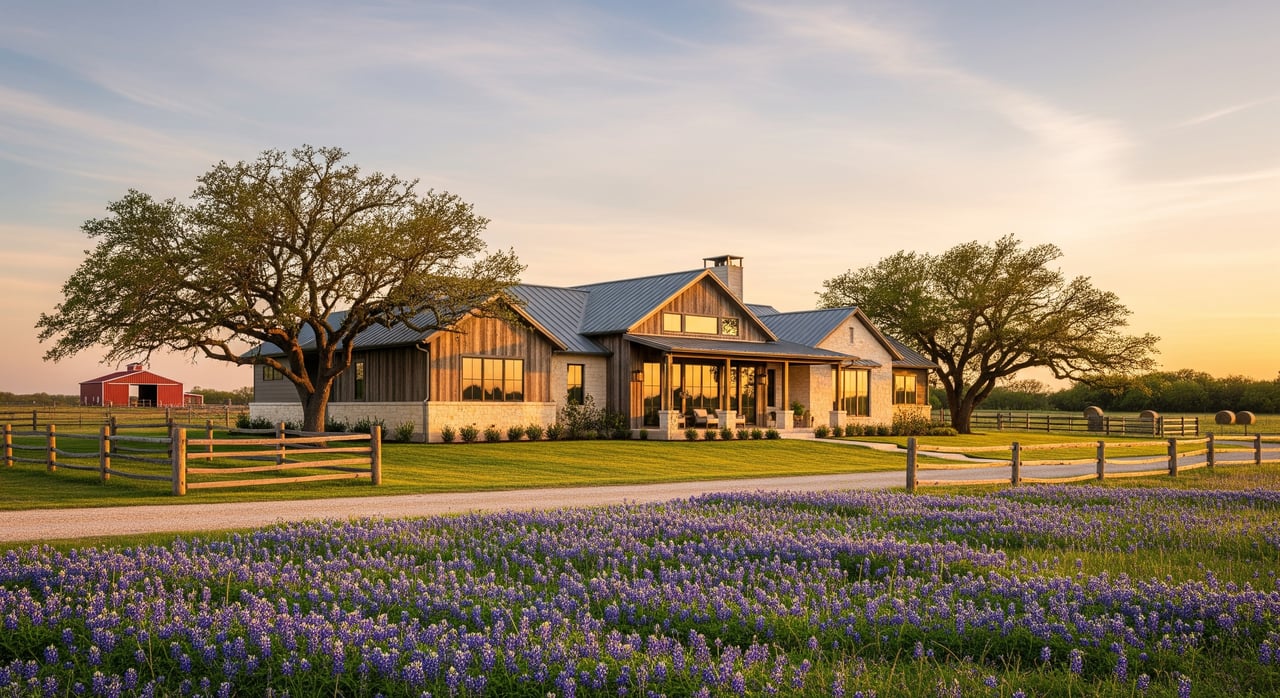
- Improved weekend ranch: a modest 1–3 bedroom house or cabin, barn or shop, cross fencing, pond or water well, electric and septic.
- Hobby farm or equestrian: larger barn with stalls, multiple paddocks, arena or round pen, water distribution to pastures.
Bellville area snapshot
The Bellville countryside in Austin County tends to offer a mix of open coastal prairie, improved pasture, and pockets of post oak. Many 10–20 acre tracts present as clean pasture with a pond and perimeter fencing. You will also find “move-in light” improved places with a small house or cabin, a metal shop, and cross fencing. Utilities are commonly at the road, though rural water lines are not guaranteed. Some parcels rely on private wells and on-site septic.
Expect a range of access types. Many properties have paved or all-weather county road frontage, while others sit off private easements. Confirm deeded access during due diligence.
Brenham area snapshot
The Brenham market in Washington County is known for scenic rolling land with a blend of pasture and scattered trees. In the 15–30 acre range, it is common to see improved places marketed as weekend-ready: a 2–3 bed home or guest cabin, a barn or shop, a pond, and fencing that supports light livestock or horses. Raw tracts with building spots and long views are also common.
Tourism energy in Brenham brings more dining and event options in town, which some buyers enjoy after a day on the tractor. As with Bellville, utility setups vary by parcel. Many properties use private wells and septic systems. Cell and broadband service can be inconsistent, so test on-site.
Price, comps, and getting current data
Rural markets change fast. A well-watered 15-acre tract with a pond and house can trade in a very different band than raw pasture across the county road. Rather than chase outdated figures, use a method that keeps your numbers current.
- Pull 12–24 months of closed sales for 10–30 acres in Austin County and Washington County. Filter by parcel size and improvement level.
- Segment by property type. Compare raw land to raw land. Compare improved home-on-acreage to similar improved properties. Only then look at price-per-acre.
- Check County Appraisal District records for recent sales history and tax appraised values. Use these as context, not a final price opinion.
- Ask a local rural agent or appraiser for pendings and pocket listings. They will know what is moving this month.
Soils and drainage influence value too. If you plan a pond, arena, or new septic system, review the USDA NRCS Web Soil Survey for soil types and suitability. Texas A&M AgriLife can help you think through pasture productivity and management. Explore the Texas A&M AgriLife Extension resources as part of your planning.
Lifestyle and town feel
Both towns are small, welcoming county seats with the basics you need. The differences show up in weekend rhythm and recreation.
Bellville highlights
- Quieter small-town pace with quick access to surrounding ranch country.
- Mix of open pasture and post-oak settings for privacy and simple operations.
- Practical base for buyers who want less in-town buzz and more land time.
Brenham highlights
- Active tourism draws, including a historic downtown, Blue Bell Creameries, nearby state historic sites, and local wineries.
- More weekend events that can pair well with hosting friends or family.
- Scenic rolling terrain that offers popular build sites and long views.
Tradeoffs to consider
- Weekend traffic: Brenham can see more visitors during peak seasons. Bellville usually feels steadier.
- In-town amenities: Brenham often offers more dining and event options. Bellville keeps it simple.
- Parcel mix: Both have raw and improved tracts, though you may find more weekend-ready listings marketed around Brenham in certain seasons. Inventory changes quickly, so check current MLS data.
Utilities, access, and land-use essentials
Rural ownership is about fit and function. Verify these items before you fall in love with a porch view.
- Septic: Most tracts use on-site systems. Soils and slope drive design and cost. Review state guidance from the Texas Commission on Environmental Quality and ask for permits and maintenance records.
- Water: Many parcels rely on private wells. Ask for well logs, pump tests, and water quality tests. Well depth and yield vary by location.
- Electric and transformer capacity: Confirm service location and capacity if you plan a larger shop or home.
- Telecom: Cell and broadband can be spotty. Check the FCC National Broadband Map and test signal at the property during the hours you plan to use it.
- Floodplain: Review the FEMA Flood Map Service Center for flood status and understand any building limits or insurance needs.
- Access: Confirm you have legal, deeded access and understand road maintenance responsibility on any easements.
- Minerals and surface use: Ask your title company and listing agent to confirm mineral ownership and any surface-use agreements.
- Ag exemptions: Property tax savings can be significant, but they require active agricultural use and proper filings with the county appraisal district. Requirements are county-specific.
Pre-tour checklist and what to ask
Before you drive out, request and review key items. Bring this list to each showing.
- Plat and deed, including any access easement language.
- Recent survey, or confirmation that a new survey will be provided before closing.
- Property tax history plus any special assessments or liens.
- Well records and water tests, if present.
- Septic permits and service records, if present.
- Utility details: power provider, transformer location, and any rural water availability.
On-site, verify what you cannot see on a map:
- Cell signal and internet speed at the house site and barn.
- Fence and gate condition, cross-fencing layout, water distribution to pastures.
- Barn and shop condition, slab thickness and electric panel capacity.
- Drainage and erosion around roads, culverts, and pond edges.
- Boundary markers, fence lines, and any visible encroachments.
Negotiation tips for rural tracts:
- Build in time. Due diligence often runs longer for wells, septic, and surveys.
- Make inspections specific. Add contingencies for water quality, well yield, septic operation, and access verification.
- Budget for improvements. Plan for driveway work, brush clearing, fencing, and possible well or septic updates post-closing.
- Address minerals and easements. Request the right title endorsements and review any surface-use terms.
Which town fits your weekend ranch?
If you want a quieter base with straightforward access to pasture-rich country, Bellville may line up well. If you like a bit more weekend energy with events and dining layered into your ranch trips, Brenham can be a great match. In both places, the best path is to test your drive, define your land-use goals, and compare real-time comps segmented by property type.
When you are ready to narrow the field, a local rural agent can pull fresh closed-sales data, flag current inventory you might not see online, and help you verify access, wells, septic and ag-exemption steps. That saves time and protects your budget.
Ready to explore specific 10–30 acre properties near Bellville or Brenham and get current comps tailored to your plan? Talk with a local team that lives this market every day. Bill Johnson Real Estate can help you compare options, schedule tours, and make a confident offer.
FAQs
How should I compare Austin-to-ranch drive times for Bellville and Brenham?
- Run live map checks from your true start point during the exact hours you plan to travel, include a trailer scenario if relevant, and save an alternate route in case of weekend traffic.
What utility setup is typical on 10–30 acre tracts in these areas?
- Many parcels use private wells and on-site septic, with electric at the road and variable telecom coverage. Always confirm capacity, get well and septic records, and test signal on-site.
How do I estimate current prices without bad data?
- Pull 12–24 months of closed sales by county and segment by property type: raw land vs. improved with home vs. hobby-farm setups. Use county appraisal records and MLS data, then confirm with a rural-focused agent.
What is the difference between raw land and a weekend-ready place?
- Raw land may have little infrastructure beyond fencing or a gate. Weekend-ready tracts usually include a modest house or cabin, a barn or shop, cross fencing, a pond or well, and septic.
What should I know about ag exemptions in Austin and Washington counties?
- Ag-use tax savings require active agricultural use and county-specific filings. Contact the county appraisal district early and confirm your qualifying plan before closing.
How can I check soils, floodplain, and pasture potential?
- Use the USDA NRCS Web Soil Survey for soils, the FEMA Flood Map Service Center for flood status, and Texas A&M AgriLife Extension for pasture and land management guidance.