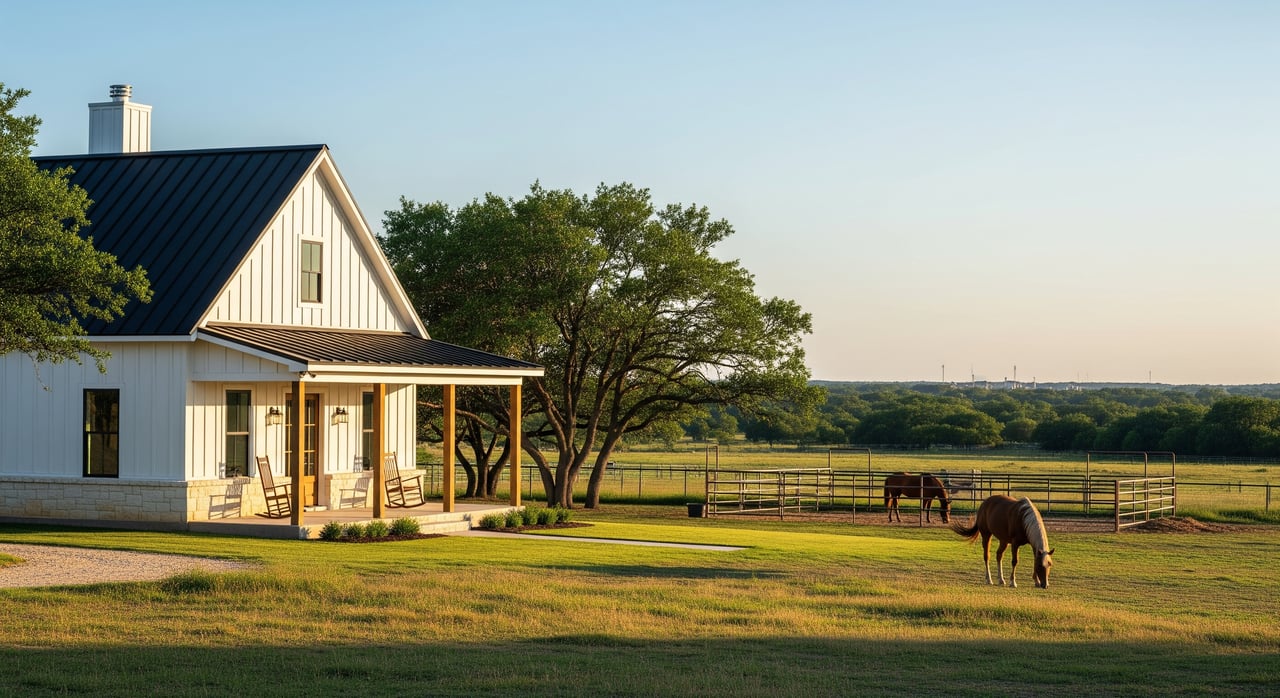
Picture your Saturday starting with coffee on a porch that looks out over open pasture, a couple of easy chores with the horses, and a late lunch at a local café. If you want a slower pace with room to breathe while keeping practical access to city services, New Ulm in Austin County fits that vision. In this guide, you’ll learn what day-to-day life looks like, how weekend ranching works on small acreage, and what to verify before you buy. Let’s dive in.
Where New Ulm fits in
New Ulm is a rural community in Austin County with deep agricultural roots. You find a neighborly, small-town feel and room for hobby herds, gardens, and barns. Many residents are multigenerational families, weekenders from the cities, and remote workers who value quiet and open skies.
The draw is simple: rural living with manageable drives to larger towns and major cities. You can plan errands, medical care, and shopping in nearby county hubs, then be back home for sunset over your pasture.
Weekend ranching basics in New Ulm
You can run a small, practical operation focused on horses, a few beef cattle, goats, or sheep. It starts with understanding your land and its infrastructure.
Water, septic, and power
- Water: Many acreage properties rely on private wells. Ask for well depth, flow, and recent water quality tests. If a property taps a rural water line, confirm meter location and any utility district requirements.
- Septic: Most parcels use septic systems. Request inspection records, drainfield age, and soil percolation information.
- Electricity: Rural lines can be overhead and more vulnerable in storms. Identify the utility provider and any easements on the property.
Internet and cell coverage
Coverage can vary in rural Austin County. Options may include fixed wireless, satellite, or wired service in some nearby towns. Use the FCC Broadband Map and local ISP resources to confirm what is available at a specific address.
Roads and access
Properties are often located on farm-to-market or county roads. Surfaces and maintenance responsibilities differ. Ask about county right-of-way, any private road agreements, and seasonal conditions like muddy stretches after heavy rain.
Livestock and equine setup
- Space planning: Horses and small herds need secure fencing, a shelter or stall area, water troughs, and hay storage. Gate placement matters for easy movement and safety.
- Fencing: Inspect fence condition, height, and line location. Check local rules related to stray livestock and shared fence responsibilities.
- Pasture health: Soil tests guide fertilization and overseeding. Texas A&M AgriLife Extension publishes region-specific guidance on forage species and pasture care.
- Feed and hay: Hay availability shifts with weather. Identify suppliers and plan winter storage. Many owners source feed and supplies from nearby towns like Bellville, Sealy, Columbus, or Brenham.
Animal services
Veterinarians, farriers, and livestock supply vendors are typically based in the county towns. Confirm drive times for emergency care and build relationships with providers before you need them.
Equipment, storage, and risk planning
- Equipment: A pickup, an ATV or UTV, and a small tractor with a front-end loader cover many chores. Mowers and fencing tools are common additions.
- Storage: Covered equipment sheds and organized tool storage reduce maintenance and downtime.
- Insurance: Ask your agent about rural homeowner coverage and whether you need a farm or ranch liability rider for livestock or horses. If any part of the property lies in a mapped floodplain, review flood insurance options using FEMA resources.
- Fire safety: Rural acreage can face brush and wildfire exposure. Check volunteer fire department coverage, response considerations, and create defensible space around structures.
Regulatory items and ag appraisal
- Permitting: Building, septic, and well permits are handled at the county level. Confirm setback rules and accessory building requirements before you build.
- Livestock regulations: Review Austin County’s guidance and any local rules near incorporated areas.
- Agricultural appraisal: Land used for qualifying agricultural activities may receive special valuation that reduces property taxes. Requirements and applications are handled by the Austin County Appraisal District. Verify eligibility and use standards before you count on the savings.
Daily life: services and community
New Ulm offers a quiet base with easy access to essentials in nearby towns. Plan to combine errands and make the most of your trips.
Groceries, hardware, and feed
You will find smaller stores and local shops in the immediate area. For bigger grocery trips, hardware, farm supplies, or specialized feed, residents often visit Bellville, Sealy, Columbus, or Brenham. Expect a short drive for most essentials and a longer run for bulk or specialty items.
Medical care and emergencies
Primary care clinics and urgent care centers are located in nearby county towns. For major hospital services or specialist care, many residents travel to larger medical centers in the Houston area or regional hospitals in nearby cities. Confirm clinic hours and emergency routes from your specific property.
Schools and logistics
Public schools are served by the local independent school district that covers your address. Verify attendance zones, bus routes, and commute times for your prospective property. Families often coordinate after-school activities with 4-H or FFA programs that align with rural life.
Community gatherings
Life here centers on simple, steady traditions. You will find church activities, community picnics, volunteer fire department fundraisers, and potlucks. County fairs and rodeos are seasonal highlights, and local civic or historical groups host events and volunteer projects throughout the year.
Outdoor recreation
Hunting, fishing, hiking, and birding are popular across the region. Many properties have private trails. For public options, explore nearby state parks, rivers, and regional lakes that offer day-use recreation. Lake Somerville and the Brazos River are within reach for weekend outings, depending on your start point.
Dining and culture
Expect cafés, diners, and local restaurants in county towns, with more variety in Brenham and the Houston area. It is easy to pair errands with a good meal and still be back in time for a quiet evening at home.
Getting to Houston and Austin
Drive times and routes
Interstate 10 is the primary east–west corridor in the region. From many parts of Austin County, drives to Houston are commonly around 1 to 1.5 hours, depending on exact location and traffic. Trips to Austin are often longer, commonly in the 2 to 2.5 hour range or more. Always verify drive times for a specific address with a mapping app.
Commuting tips
Daily commuting into the city is doable for some owners, but many treat city trips as planned errands or weekend runs. Public transit is limited in rural areas, so plan on personal vehicles for most travel.
Airports
For air travel, Houston is served by George Bush Intercontinental and William P. Hobby airports. Austin-Bergstrom serves the Austin area. Several nearby towns have general aviation airports for private flights.
Real estate essentials for buyers
Owning acreage means checking a few more boxes before you commit. A systematic approach protects your time and budget.
Land, surveys, and easements
Older parcels may not have a recent boundary survey. A new survey helps confirm acreage, boundaries, and any road or utility easements. Verify legal access if a property uses a private road or shared driveway, including who pays for maintenance.
Minerals, water, and title
In Texas, mineral ownership can be separate from surface ownership. Ask whether mineral rights are included. Review water source details and recorded easements during title review so there are no surprises after closing.
Taxes and agricultural appraisal
Property taxes come from a combination of local taxing units. Agricultural appraisal can lower the taxable value if your land meets qualifying use standards. Speak with the Austin County Appraisal District about eligibility, application steps, and rollback considerations if use changes.
Financing rural property
Loans for acreage can differ from standard residential mortgages. Lenders may weigh outbuildings, pasture usability, and down payment differently. USDA Rural Development and Farm Service Agency programs may be options for qualifying buyers and operations.
Before you buy: what a weekend rancher should confirm
- Well flow rate and recent water quality test results
- Septic system inspection, tank and drainfield age, and service records
- Boundary survey and all recorded easements
- Fencing condition, gates, and cross-fencing layout
- Barns, sheds, and animal shelters for structural integrity and utility
- Electric provider, propane plan, and realistic internet options
- Floodplain status and drainage patterns on the property
- School district, emergency services coverage, and voting precinct for the address
- Title review for mineral rights, access easements, and any deed restrictions
A sample weekend in New Ulm
- Friday evening: Arrive before dark, walk the fence line, top off water troughs, and enjoy a simple dinner on the porch.
- Saturday morning: Feed, move horses or cattle to fresh pasture, and pick up supplies in a nearby town. Combine groceries, hardware, and feed in one trip.
- Saturday afternoon: Tackle a project like mowing, tack room organization, or building a small equipment pad. Break for a late lunch at a local café.
- Saturday night: Community event, a neighbor’s cookout, or a quiet evening under the stars.
- Sunday morning: Short trail ride or pasture check, prep the property for the week, then head back to the city with a full cooler and a clear mind.
Who to call first for new owners
- Austin County Appraisal District for agricultural appraisal questions
- Austin County offices for building, septic, and road-related permitting guidance
- Texas A&M AgriLife Extension for pasture management, soil testing, and forage advice
- USDA Natural Resources Conservation Service for soil surveys and conservation programs
- Texas Parks and Wildlife for hunting, fishing, and public recreation information
- Local volunteer fire department to learn about coverage, burn bans, and fire safety
- Nearby large-animal veterinarians and farriers for routine and emergency care
Ready to explore properties?
If the New Ulm lifestyle fits your goals, you can find everything from small ranchettes to larger acreage that works for horses or a weekend herd. See available options and get a property-specific due diligence checklist from a local team that knows the land. Reach out to Bill Johnson Real Estate. Talk to a local land expert today.
FAQs
How long does it take to reach Houston or Austin from New Ulm?
- From many parts of Austin County, drives to Houston are commonly around 1 to 1.5 hours and to Austin about 2 to 2.5 hours or more; always verify for a specific address with a mapping app.
Where do I buy feed, hay, and farm supplies near New Ulm?
- Most residents visit nearby towns such as Bellville, Sealy, Columbus, or Brenham for feed stores, farm supply retailers, and hay contacts; plan ahead for winter storage and weather-driven availability.
What emergency services should I plan for as a weekend rancher?
- Confirm the nearest urgent care or hospital for medical needs, identify a large-animal veterinarian for emergencies, and contact your local volunteer fire department about coverage and fire safety.
Do I need an agricultural appraisal to lower property taxes on acreage?
- An agricultural appraisal may reduce taxes if your land meets qualifying agricultural use; check requirements and application steps with the Austin County Appraisal District before you rely on the savings.
How reliable is internet and cell service on rural property in Austin County?
- Coverage varies by location; check the FCC Broadband Map, contact local ISPs, and consider fixed wireless or satellite as alternatives when evaluating a specific property.
What activities are available for families and kids in the New Ulm area?
- Families often enjoy 4-H or FFA programs, community events, county fairs, and regional outdoor recreation like hiking, birding, fishing, and boating at nearby lakes and rivers.